OPUS 21 NCN: What do we not know about breast cancer?

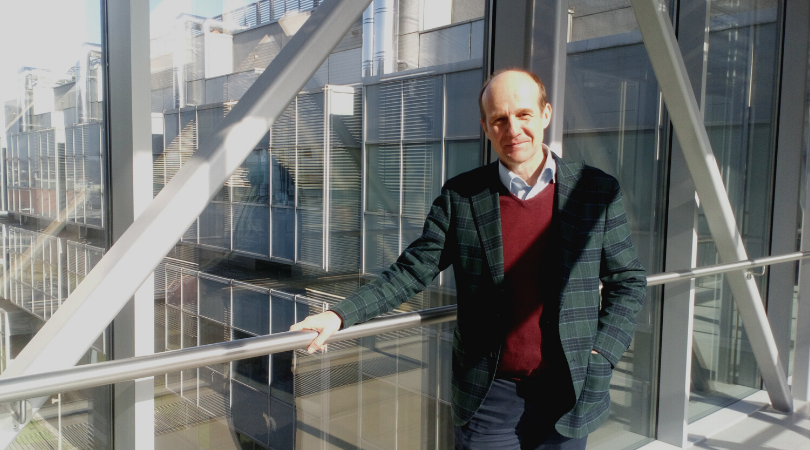
In the last edition of the OPUS competition announced by the National Science Center in Krakow, Dr. Marta Smęda received funding for research on breast cancer issues. In her project, she will examine Breast cancer metastasis-induced endothelial-mesenchymal transition alongside ageing; implications for therapy.

Ageing results in progressive vascular dysfunction. The cornerstone mechanism that may lay behind age- and/or cancer-dependent deterioration of endothelial function is mesenchymal transformation of endothelial cells (EndMT) that may determine the endothelium status and, thus, the outcome of breast cancer. Progression of EndMT and its consequences in ageing remain largely unknown. Both cancer and ageing alter platelet phenotype. Therefore, although circulating platelets of healthy individuals support endothelium function, age- and/or cancer-altered platelets may act in the opposite way: drive EndMT and disrupt endothelial barrier.

(more…)

OPUS 21 NCN for Jakub Dybaś, Ph.D

417 projects will be financed in the OPUS 21 call announced by the National Investment Science Center which is 18% of all submitted applications. One of them is a project by Ph.D Jakub Dybas, entitled In search of the unexplored aspects of ferric heme protein-dependent regulation of nitric oxide signaling in the erythrocyte and vessel wall.

Nitric oxide (NO) is one of the major transmitters involved in maintaining of the proper vascular homeostasis in the circulatory system through contribution in lowering blood pressure and vasodilating smooth muscle cells. Bioactivity of NO is controlled, among the others, by heme proteins which participate in both – promoting and suppression of NO vasodilating property. Significance of heme proteins depend on the oxidation state of porphyrin-bound iron ion – ferrous heme proteins (with Fe2+ iron ion) scavenge and attenuate NO while ferric heme proteins (with Fe3+ iron ion) interact reversibly with NO allowing its diffusion and permitting bioactivity. However, precise role of ferric heme proteins remain elusive due to the lack of methodology allowing for simultaneous detection, differentiation and spatial distribution characterization of ferrous and ferric heme proteins. The aim of this project is to design the unique imaging methodology based on resonance Raman (rR) spectroscopy allowing examination of unexplored aspects of NO bioactivity regulation by ferric heme proteins and better understanding of mechanisms regulating NO signaling in erythrocyte and vessel wall.

(more…)

OPUS 21 NCN for the development of innovative antithrombotic therapies

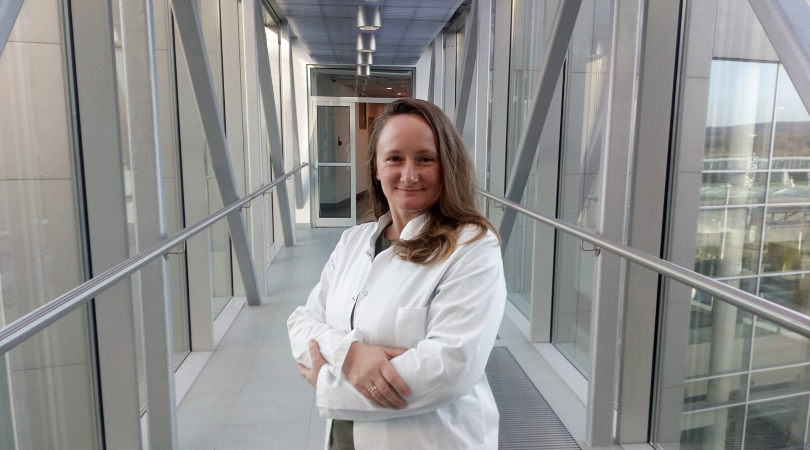
Last week we got to know the results of the OPUS 21 competition announced by the National Science Center in Cracow. Dr. Patrycja Kaczara is among the scientists who have been awarded funding for the implementation of the research. Dr. Kaczara will implement a project entitled: Normalization of energy metabolism as a way to develop innovative antithrombotic therapies.

The aim of the project is to investigate the relationship between the reactivity of blood platelets and their energy metabolism. The development of thrombosis is accompanied by increased platelet reactivity, caused, among others, by diseases such as diabetes or atherosclerosis, both accompanied by disturbances of metabolic processes. The hypothesis of the project assumes that the pharmacological normalization of metabolic processes in platelets can lead to an improvement of the effectiveness of commonly used antiplatelet drugs. The results of the project can be used to formulate dietary guidelines to help slow the development of thrombosis and to demonstrate the potential of biochemical pathways to develop new antiplatelet therapies to prevent or reduce the serious and life-threatening effects of thrombosis.

(more…)

PRELUDIUM 20 NCN: Research on the role of lactate dehydrogenase A in development of endothelial dysfunction

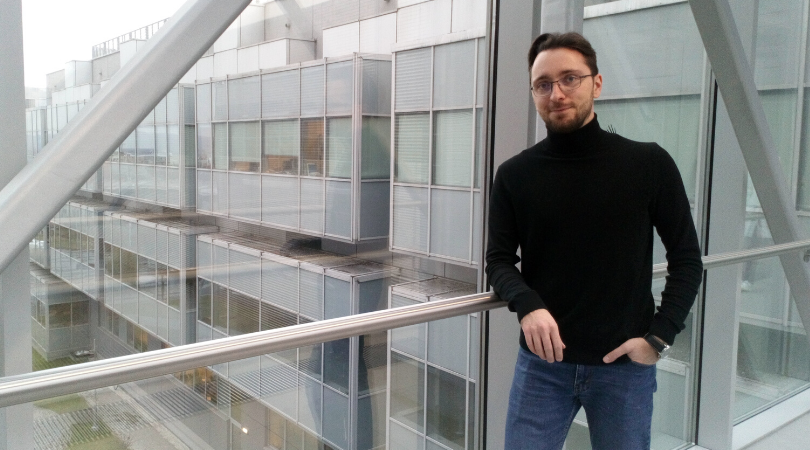
In the 20th edition of the PRELUDIUM competition announced by the National Science Center in Krakow, Agnieszka Karaś, M.Sc., is one of the winners, who is pursuing her doctorate in the laboratory of the Jagiellonian Center for Experimental Therapeutics. The subject of the distinguished project is: “The role of lactate dehydrogenase A in development of endothelial dysfunction in murine model of heart failure”.

The aim of this project is to evaluate the link between vascular metabolism and endothelial dysfunction during the development of heart failure. Heart failure (HF) is currently a leading cause of mortality worldwide, moreover, in Poland, the morbidity and mortality of HF are one of the highest in Europe. Interestingly, systemic endothelial dysfunction is observed in patients even with mild HF and is an important factor predicting poor patient outcome and increased risk of cardiac death. Endothelium, the single layer of cells lining the interior surface of blood vessels, plays a crucial role in maintaining healthy vessel function. To date, the mechanisms of endothelial dysfunction development in HF are not clear. We hypothesise that alterations in cellular bioenergetics in the vessel wall may contribute to vascular pathology in the progression of HF. Therefore, this study is set out to understand the connection between endothelial dysfunction and metabolic changes focusing on the role of lactate dehydrogenase A (LDHA), an enzyme responsible for the production of lactate, which is not only an energy source but also a crucial regulatory factor. This project will be performed using a murine model of HF. Results of this study will shed new light on vascular pathophysiology in HF and may contribute to novel therapeutic strategies improving patient prognosis.

(more…)